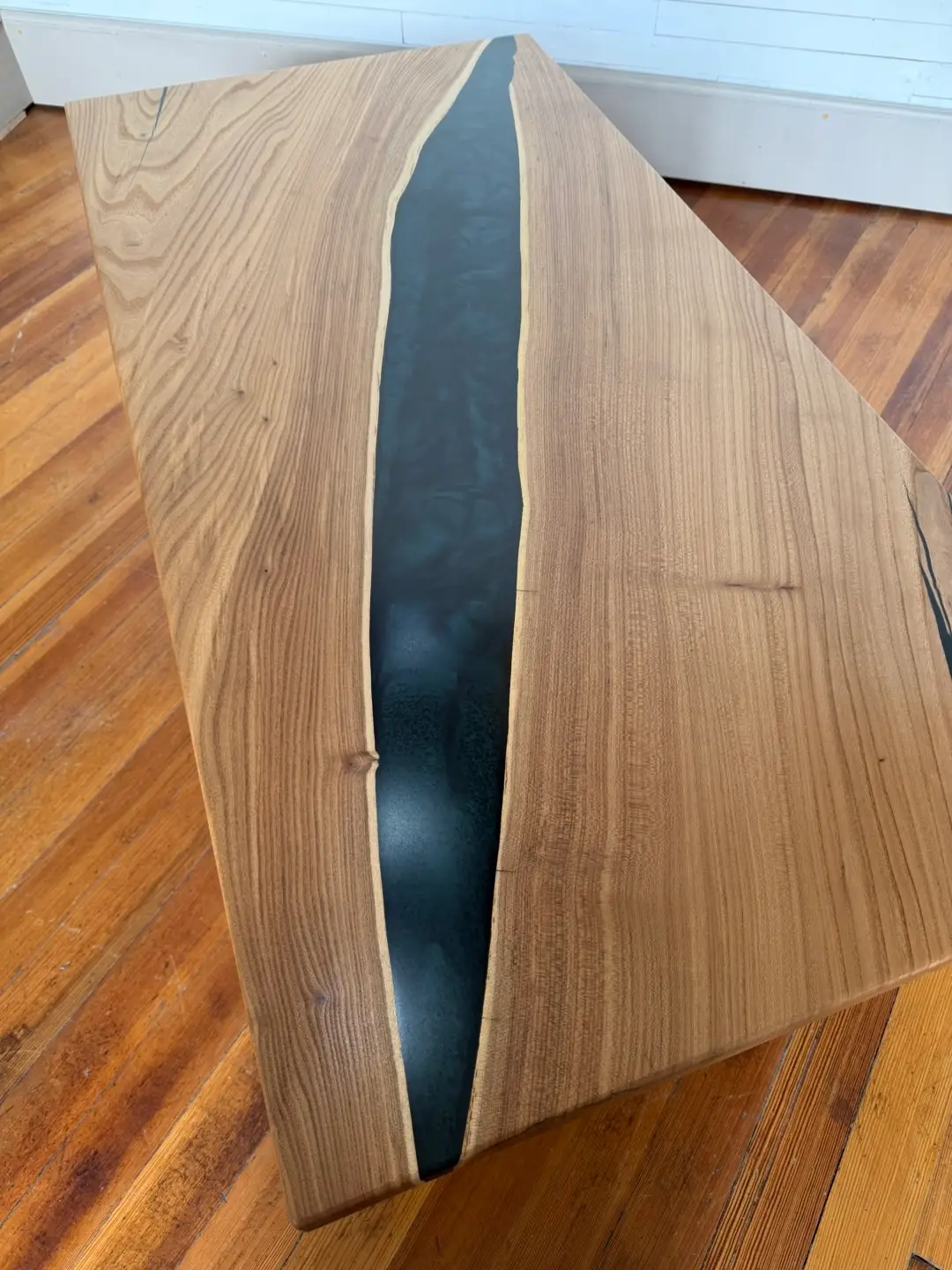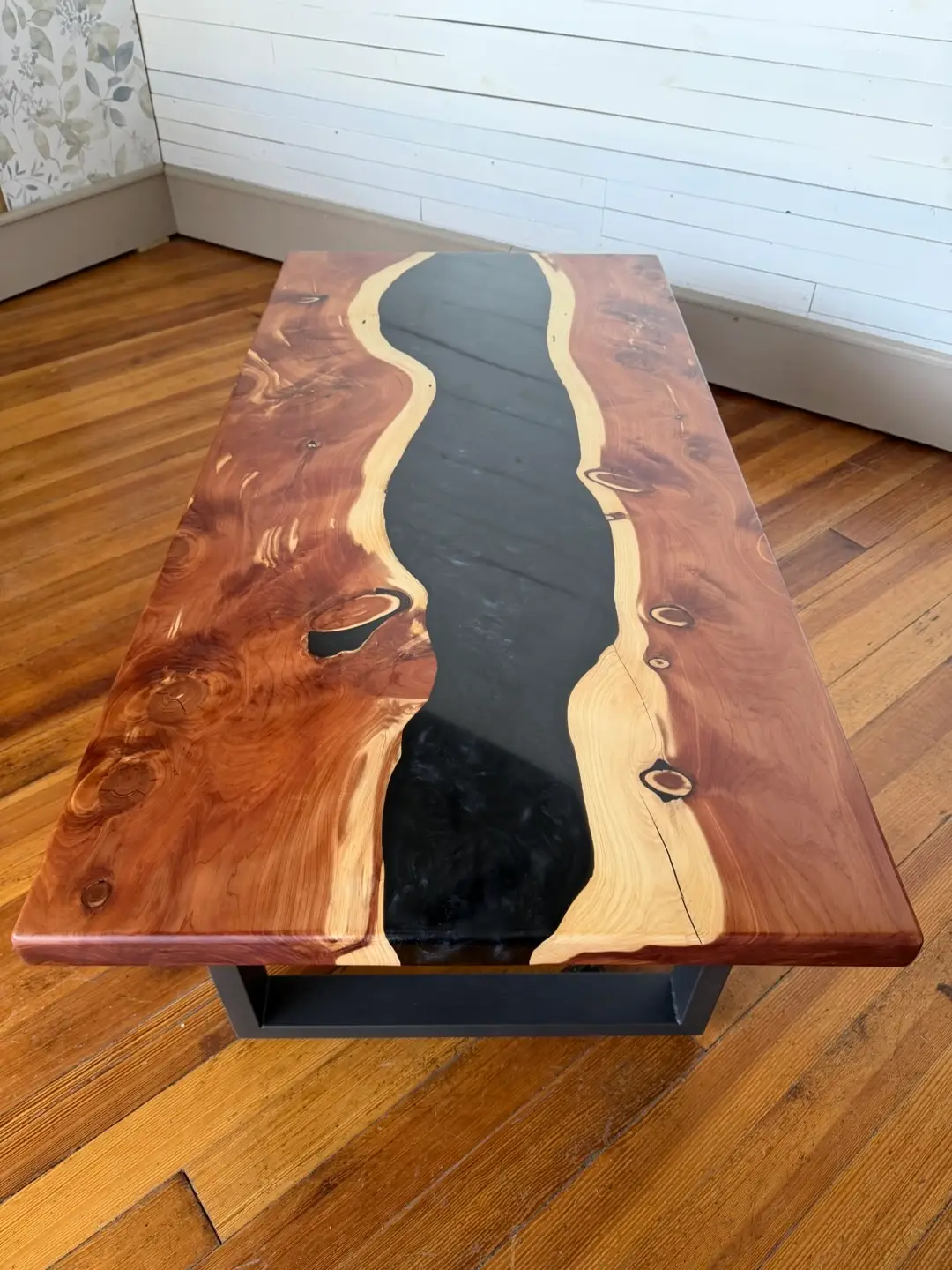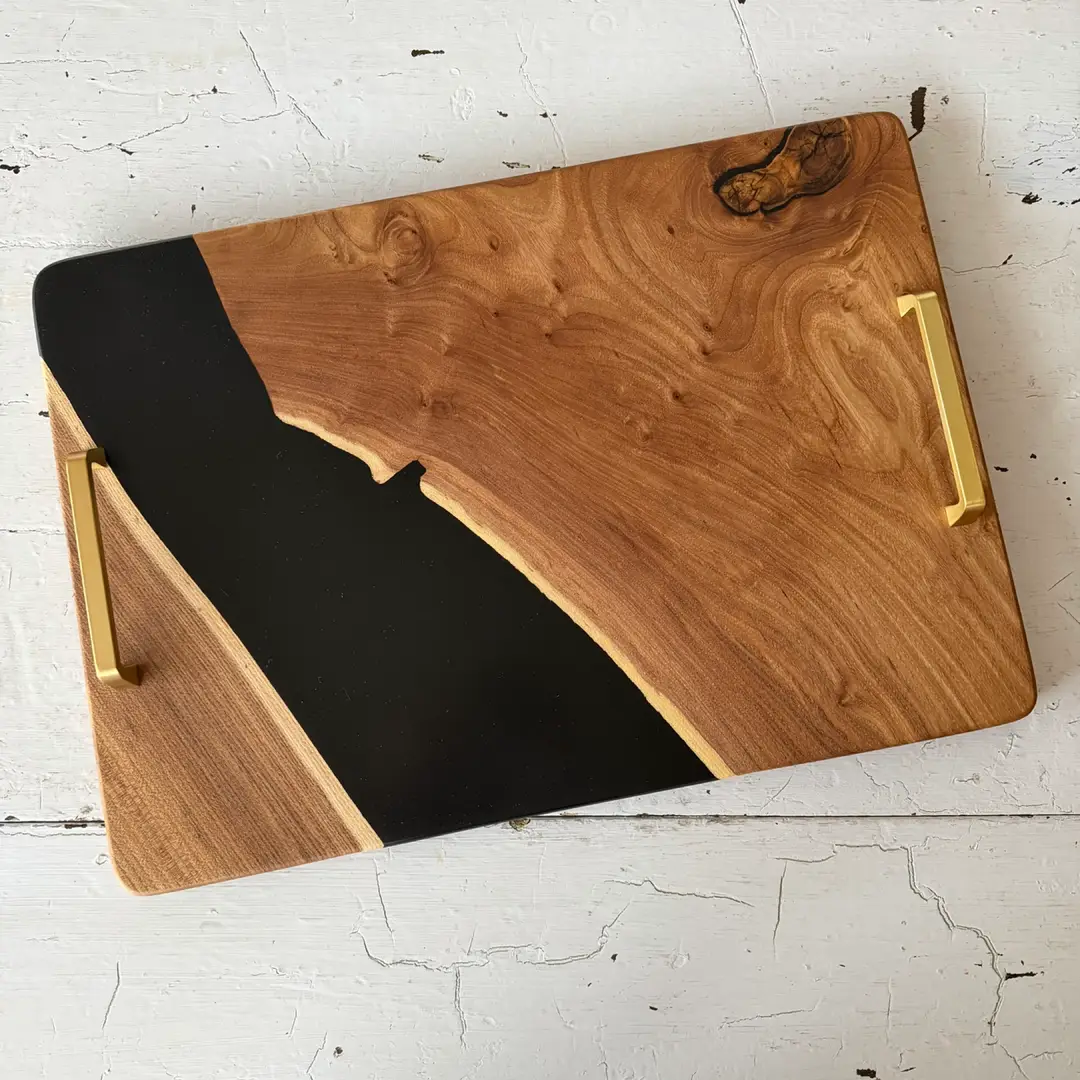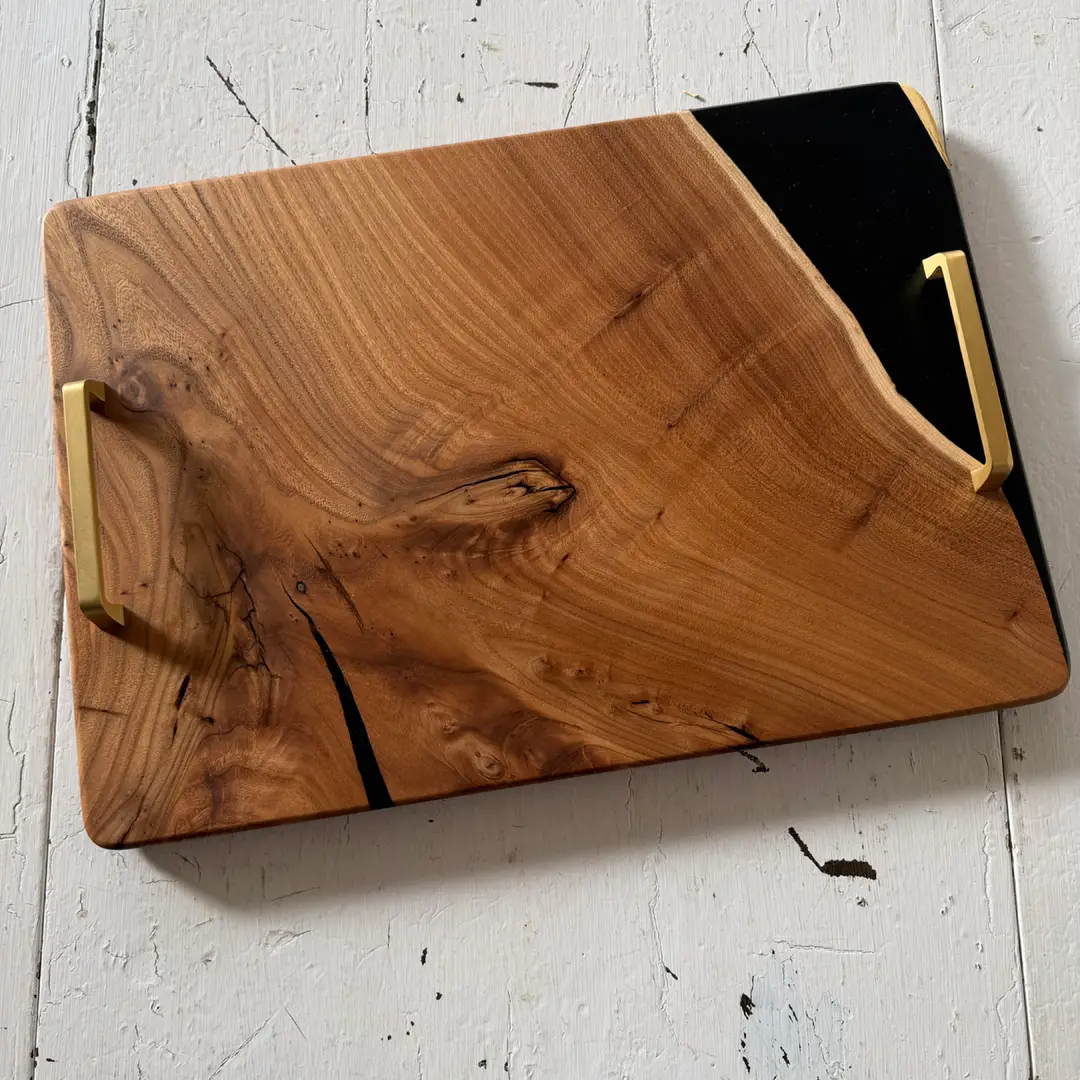

For Jordan Ottley, woodworking has never been only about furniture. It is about family—and the years that matter most.
The Story
Built for the Years
That Matter Most
For Jordan Ottley, woodworking has never been only about furniture.
It is about family.
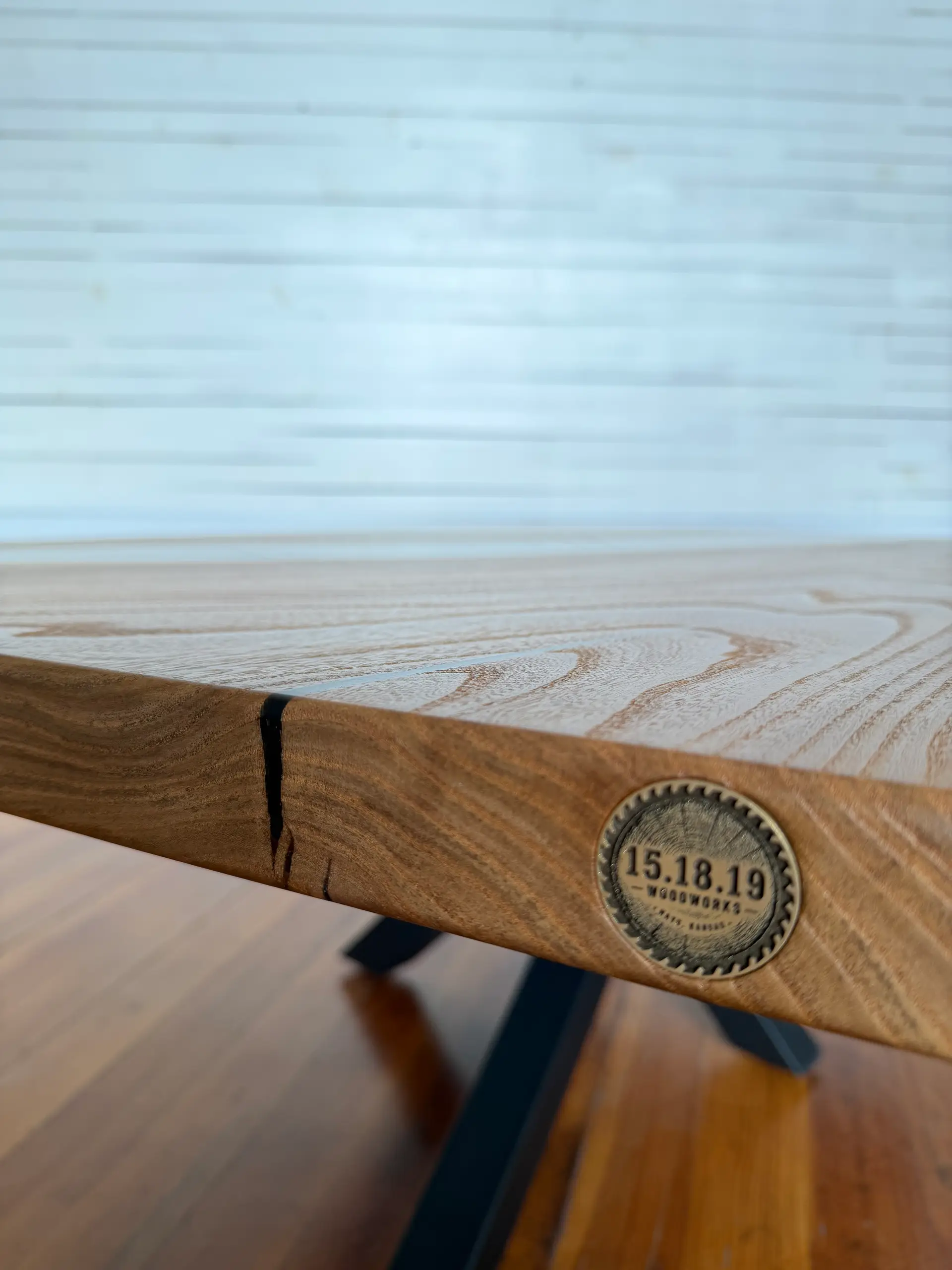
The name 15.18.19 WoodWorks comes from the birth years of his three children—a reminder of why he builds, why he works late, and why every extra hour in the shop matters.
With three kids involved in traveling sports, woodworking began as a way to create additional income and give his family more opportunities.
But it quickly became something more.
It became a creative outlet. A nightly ritual. A place to slow down, work with his hands, and build something meaningful after the rest of the day is finished.
Then & Now
A Craft Rediscovered
Jordan's first experience with woodworking began in high school in 2006, when he took a job in a cabinet shop.
He stayed there for nearly six years, learning how furniture and cabinetry come together one step at a time.
Life eventually moved in a different direction, and woodworking took a back seat.
Then, in 2020, he found his way back to the shop.
By late 2022 and early 2023, Jordan began wondering whether the pieces he enjoyed building might also be worth selling. He started trying new projects, pushing himself into unfamiliar designs, and gradually gaining confidence in the quality of his work.
What began as a return to an old skill became something he could take seriously.
Today, Jordan balances woodworking with running a wholesale shipping company for his wife's home décor business, Made Market Co.
Most evenings, he gets only a couple of hours in the shop. He makes them count.
At a Glance
The Maker
Maker
Jordan Ottley
Location
Hays, Kansas
Experience
Six Years Pro, Roots to 2006
Favorite Wood
Box Elder
Specialty
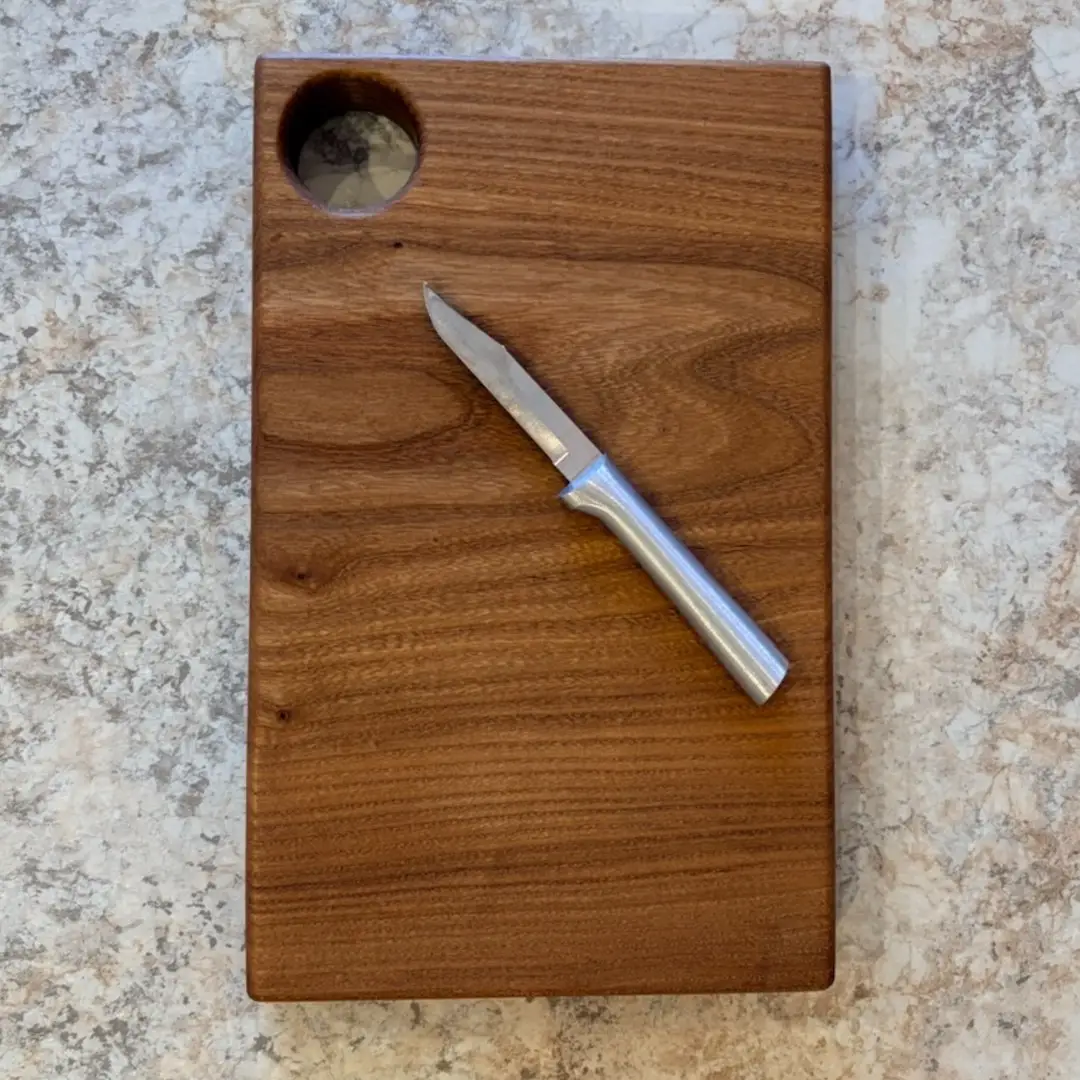
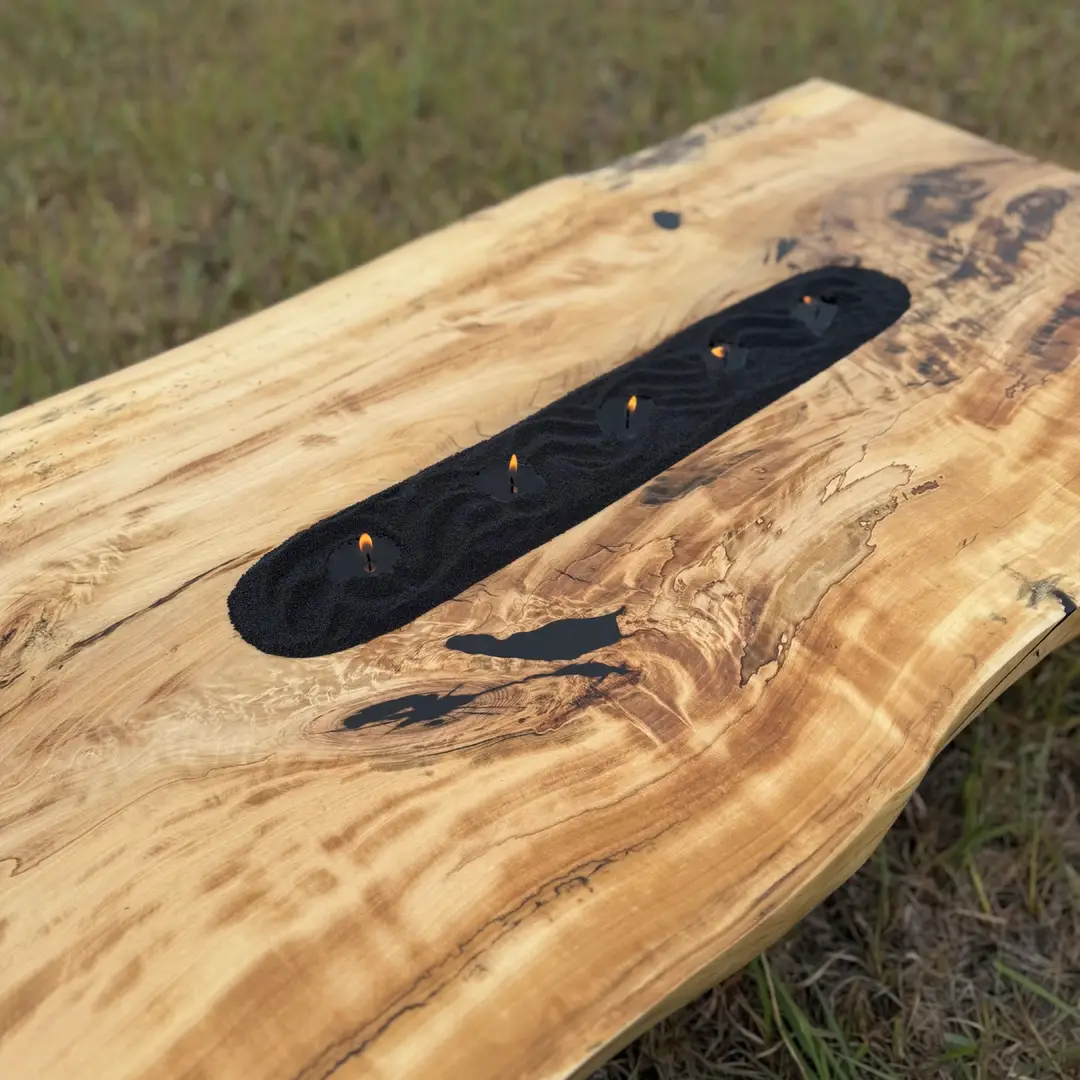
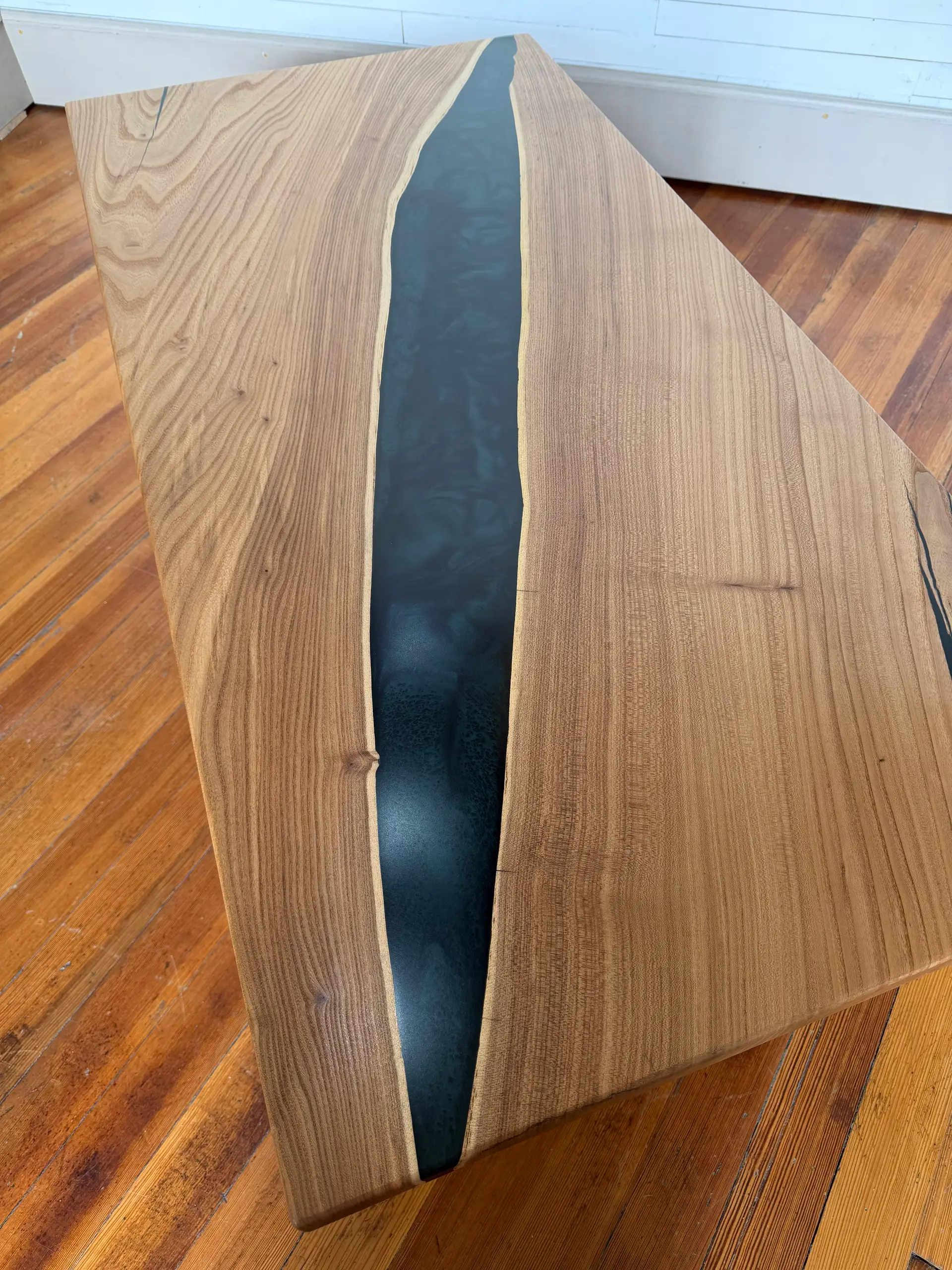
Coffee & End Tables, Cutting Boards, Custom Work
Signature Style
Simple Forms, Natural Character
The Space
Half a Garage. A Whole Lot of Heart.
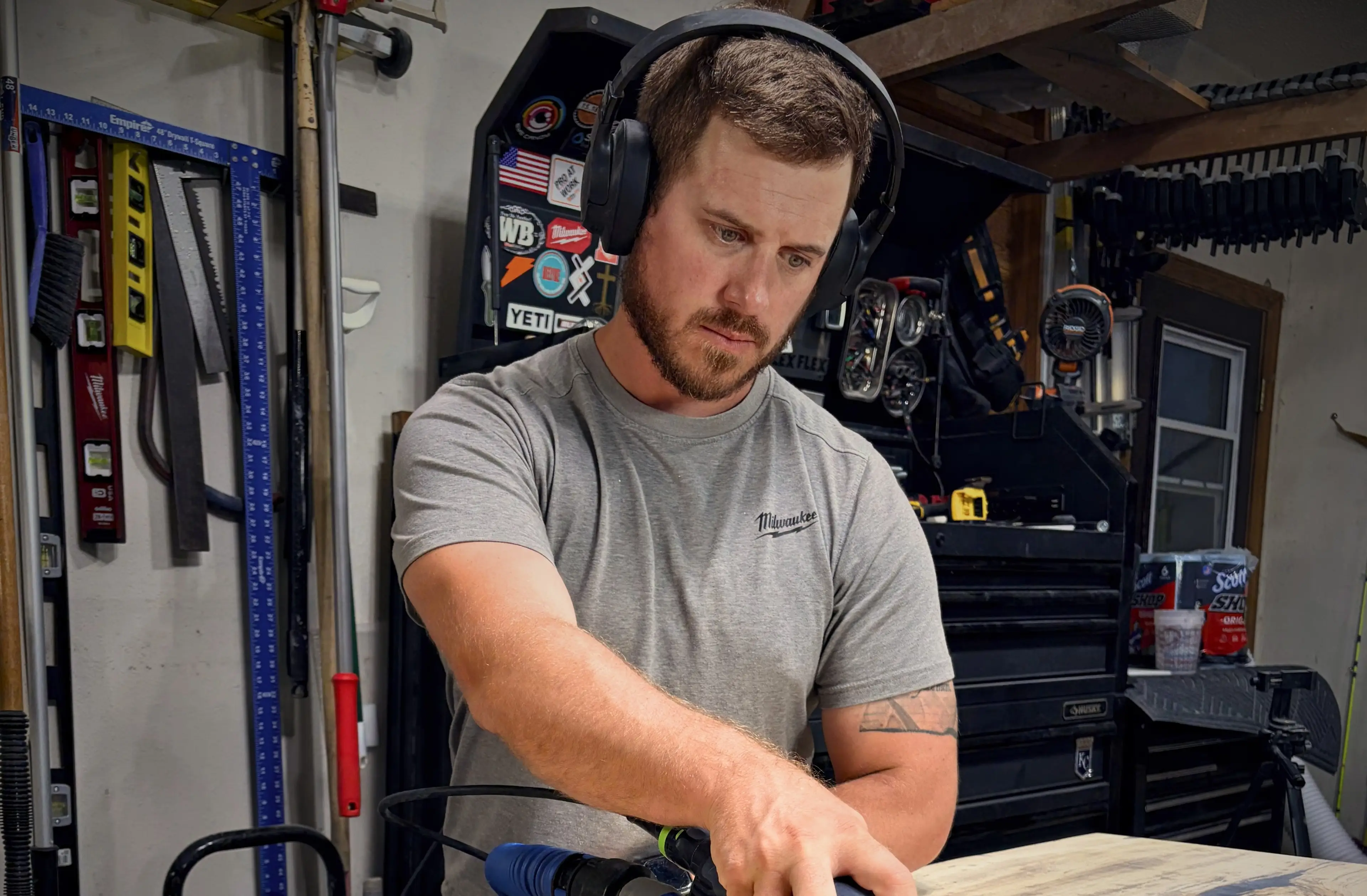
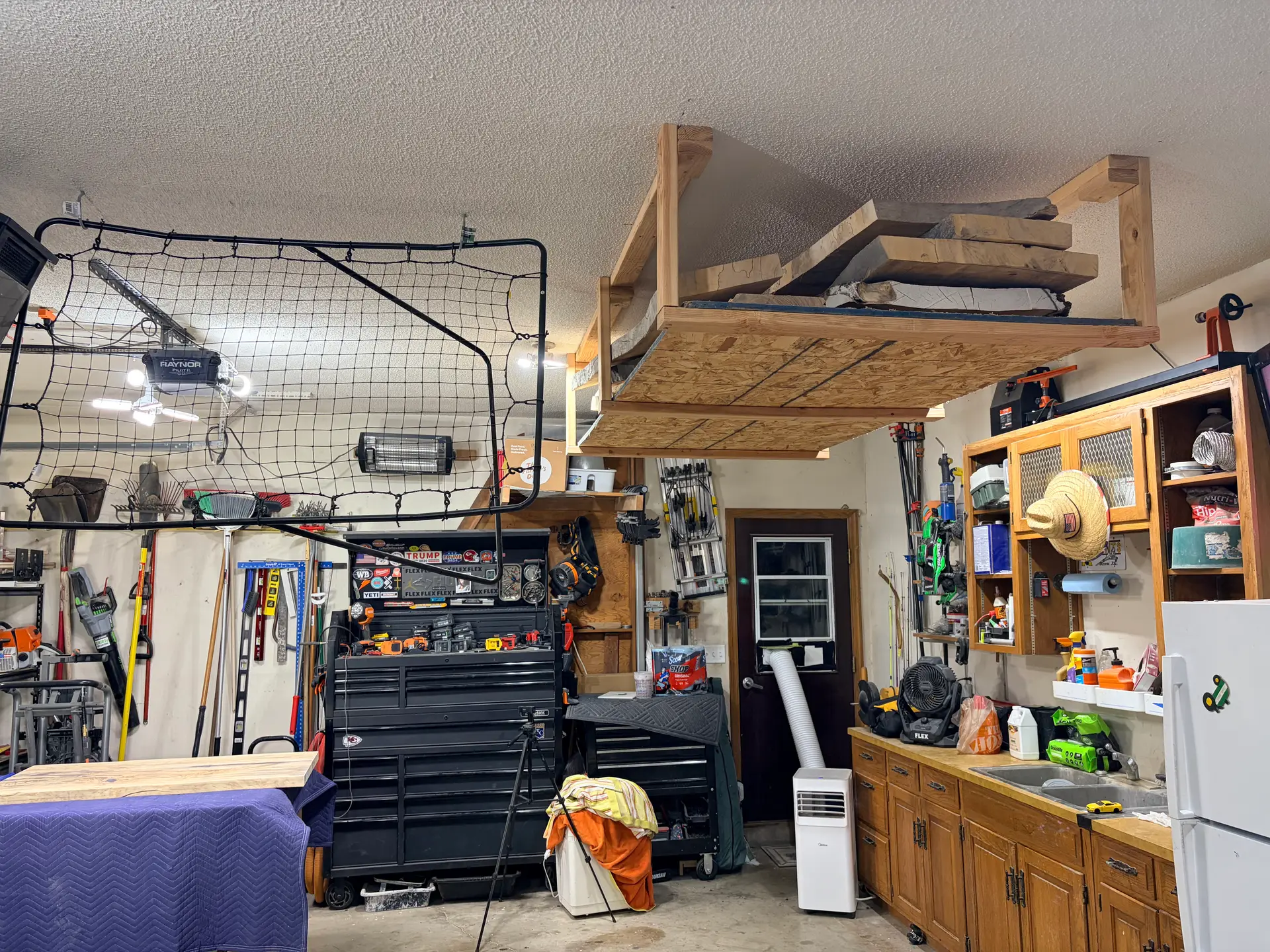
Jordan's workshop occupies one side of a two-car garage. His wife's car gets the other.
At least, that is the arrangement in theory. In practice, his children's toys frequently cross the invisible boundary and claim part of his workspace too.
Someday, Jordan would love more room. For now, he is exactly where he wants to be.
Working from home allows him to spend a few hours building each night without stepping away from family life. He can hear his kids nearby, remain present as they grow, and still make steady progress on the pieces in front of him.
The shop may be small, but it holds everything he needs.
And every time the toys spill into his side of the garage, they offer a reminder of why the business carries the name it does.
Behind the Scenes
Inside the Workshop
Favorite Tool
Ridgid Track Saw
Favorite Machine
Ridgid 13-inch Planer
Favorite Part of the Workshop
Being at home.
The Process
From Tree to Finished Piece
Jordan's process begins much earlier than most customers would expect.
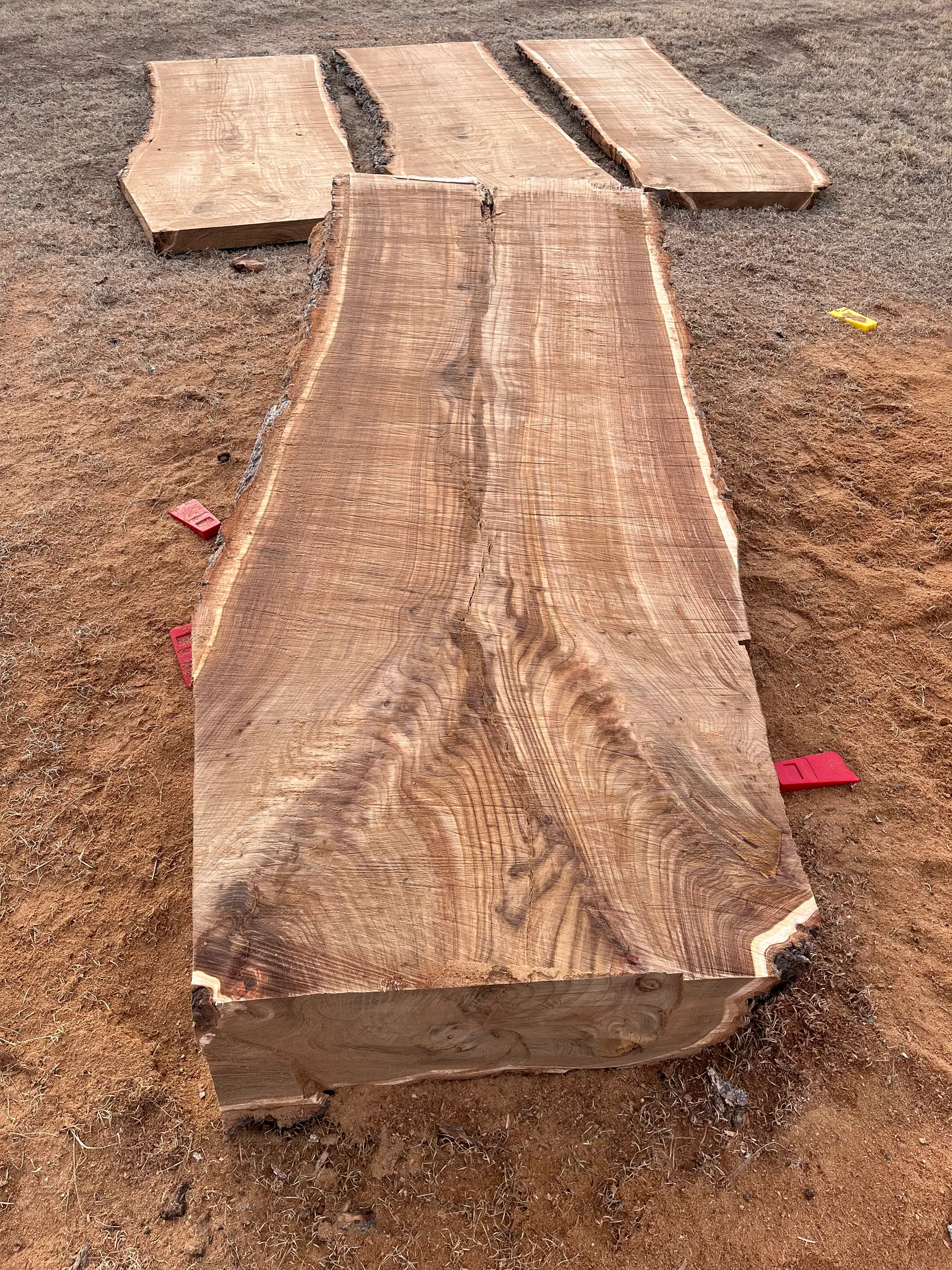
The lumber he uses comes from trees on his own property or from locally sourced trees within his county.
Once a tree is ready, Jordan mills the logs himself using a chainsaw mill. The freshly cut boards are then stacked and left to air-dry—usually for approximately two years.
It is a slow process, but an essential one. Once the lumber reaches roughly 15 to 20 percent moisture content, it moves into a homemade dehumidifier kiln in Jordan's backyard, where it dries to approximately 8 percent and becomes stable enough for furniture.
Only then does the visible part of the build begin—cutting to size, flattening with a planer or router sled, shaping, sanding, refining, and preparing for finish.
Because Jordan often gets only two hours in the shop each evening, larger builds can take time. He does not see that as a disadvantage. The slower pace lets him enjoy each stage and make deliberate decisions.
When a piece is complete, his wife—a graphic designer and professional photographer—helps capture it before it is listed for its next home. The entire process is a family effort.
Step by Step
From Local Tree to Finished Home
Sourcing
Materials That Speak for Themselves
Jordan's favorite wood species is Box Elder . Part of the maple family, it is known for its natural variation, expressive coloring, and forgiving working qualities.
It is exactly the kind of material that supports Jordan's design philosophy. He does not want to force one wood species to imitate another.
If he is working with cottonwood, he wants the finished piece to look like cottonwood. If he is working with Box Elder, he wants its natural color, grain, and character to remain visible.
The wood should not be disguised. It should be understood.
For finishing, Jordan has recently used Osmo Polyx-Oil. He appreciates that it is straightforward to apply, polishes beautifully, hardens well, and enhances the natural tone without overpowering it.
Design Philosophy
Simple Is Usually Better
Jordan does not build pieces that compete for attention through excessive detail. His work is intentionally restrained.
Natural color. Clean forms. Honest materials.
He avoids heavy stains and treatments that dramatically alter the appearance of the wood. That simplicity allows the material itself to become the focal point.
To Jordan, good design does not require flash. More often than not, simple is better.
On Craftsmanship
The Detail That Cannot Be Rushed
Good craftsmanship, Jordan believes, is not about obsessing over every microscopic flaw. It is about controlling what can be controlled and giving every stage your best effort.
A handmade piece may never be mathematically perfect. That does not mean it should be careless.
Would I want this in my own home?
One part of the process receives particular attention: the finish. It is the moment the wood reveals its final appearance—and the stage most likely to be rushed.
Jordan refuses to do that.
Whether he is using oil, polyurethane, or paint, patience during finishing can make the difference between an average build and one that truly feels complete.
Featured Build
The Pine Puzzle Coffee Table
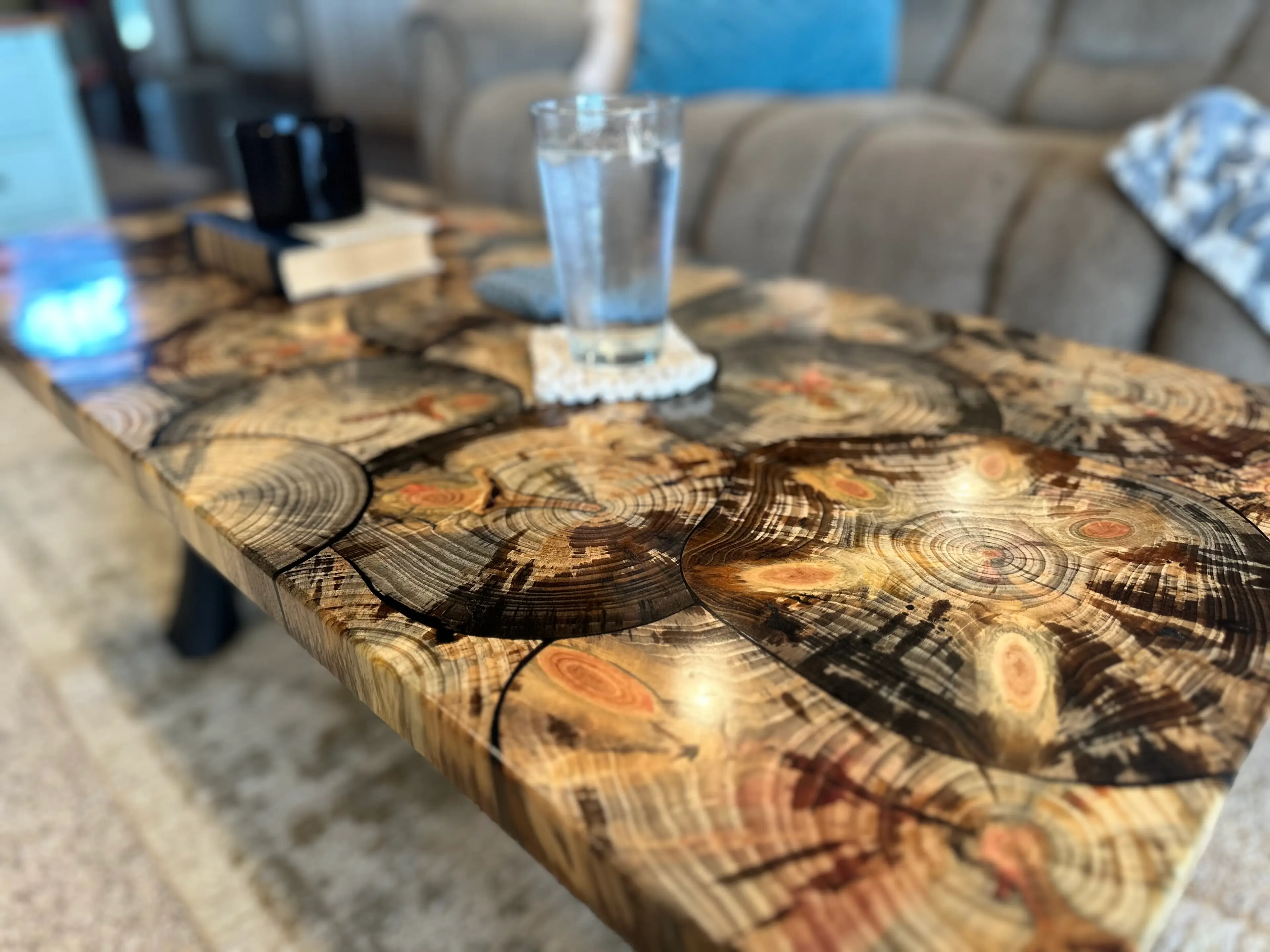
Jordan considers his Pine Puzzle Coffee Table one of his most challenging projects to date.
It pushed him beyond familiar processes and required him to solve problems as the build developed.
That challenge is exactly what draws him toward new projects. Each unfamiliar build offers the chance to test his skills, learn something new, and become more capable than he was before.
And he already has more difficult projects lined up.
Quick Hits
Rapid Fire Q&A
Drink of Choice
Sweet Tea
Hand Tools or Power Tools?
Power Tools
Favorite Wood Figure
Anything Burl
Most Challenging Build
The Pine Puzzle Coffee Table
Dream Project
A large dining table or kitchen island for someone he admires—an athlete, musician, artist, or public figure who'll use it for years.
Workshop Motto
"The first eight hours of a 45-minute project are always the hardest."
No project will ever be perfect. The goal is to produce the best work you are capable of creating at that moment.

Jordan has learned that the maker will always see details the customer never notices—every small inconsistency, every moment that could have been handled differently.
His advice is not to let those details become paralyzing.
He also encourages new makers to find the balance between confidence and humility. Do not overestimate your abilities—but do not underestimate them either.
You may not feel ready to build the large dining table. That does not mean you should never try. Take your time. Prepare carefully. Learn as you go.
The building process is not simply the work required to reach the finished piece. It is the best part.
The Heart of It
Built for Family
Every piece from 15.18.19 WoodWorks carries the same quiet purpose.
It was built after hours. Built close to home. Built from trees with a local history. Built by a father creating something lasting for his family and for yours.
The name may come from three birth years. But the work represents something larger:
Using the time available. Building with intention. And creating pieces that make those years matter.
Custom Work
Have an Idea?
Jordan welcomes opportunities to create custom furniture and functional wood pieces designed around a customer's space, needs, and vision.
Whether it is a coffee table, dining table, island top, or one-of-a-kind project, every custom build begins with a conversation.
Start a Custom Project